
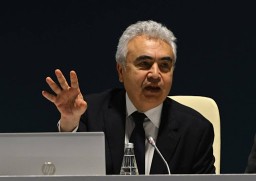
The Iran energy crisis has exposed alarming gaps in energy literacy among political leaders around the world — a deficiency that contributed directly to the delayed recognition of the crisis’s severity — the head of the International Energy Agency has said. Fatih Birol, speaking in Canberra, noted that world leaders had initially failed to appreciate the depth of the supply disruption caused by the conflict, suggesting they had not fully understood the energy market consequences of military action in the Gulf region. He described the crisis as equivalent to the combined force of the 1970s twin oil shocks and the Ukraine gas emergency.
Birol said energy markets were genuinely complex, and it was unreasonable to expect every political leader to be an expert. But basic energy literacy — an understanding of where global energy came from, how it was transported, what the key chokepoints were, and how supply disruptions translated into economic consequences — was now a minimum requirement for responsible governance. He called for systematic efforts to improve energy literacy among political decision-makers at every level.
The conflict began February 28 with US and Israeli strikes on Iran and has since removed 11 million barrels of oil per day and 140 billion cubic metres of gas from world markets. At least 40 Gulf energy assets have been severely damaged, and the Hormuz strait — through which approximately 20 percent of global oil flows — remains closed. The IEA deployed 400 million barrels from strategic reserves on March 11 in its largest emergency action.
Birol confirmed further releases were under consideration and said the IEA was consulting with governments across three continents. He called for demand-side policies including remote work, lower speed limits, and reduced air travel. He met with Australian Prime Minister Anthony Albanese and said he was encouraged by the depth of the Australian government’s energy understanding and engagement with the crisis.
Trump’s 48-hour ultimatum to Iran to reopen the strait expired without result, and Tehran threatened retaliatory strikes on US and allied energy and water infrastructure. Birol concluded by calling on the IEA and other international energy institutions to invest more in educating political leaders about energy systems and their geopolitical consequences. He said the Iran crisis had shown that energy illiteracy at the highest levels of government was not just an inconvenience — it was a genuine security risk.