
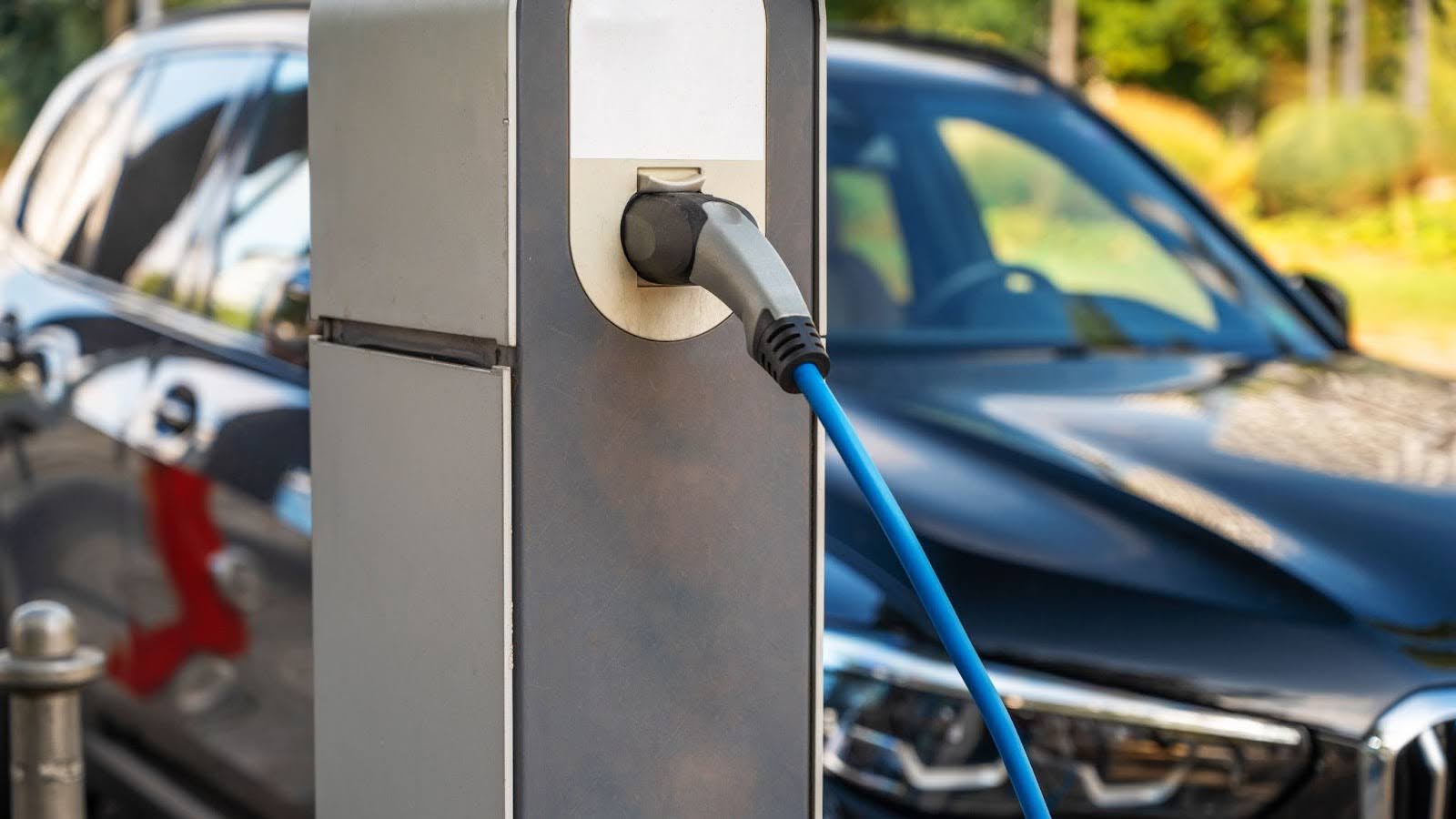
Before the Iran conflict, US interest in electric vehicles was declining at the margins — a 7.8 percent new vehicle sales share, slightly below the prior year, in a policy environment that had moved against electrification. After the Iran conflict and its $3.90-per-gallon gasoline consequences, US interest in electric vehicles is up 20 percent, used EVs below $25,000 are moving from dealer lots, hybrid waiting lists are building, and the consumer calculus around vehicle choice has shifted in ways that may prove permanent. The conflict may be the before-and-after moment in American transportation history.
The historical significance of the moment is provided by the directness of its mechanism. Iran’s closure of the Strait of Hormuz following US and Israeli military strikes disrupted the waterway carrying roughly one-fifth of global oil supply, elevated crude prices globally, and pushed American retail fuel costs to near three-year highs. The connection between geopolitical event and personal financial consequence was immediate, universal, and impossible to ignore — exactly the conditions that create historical turning points.
CarEdge’s Justin Fischer and Edmunds’ Jessica Caldwell have been observing the before-and-after shift in real time. Fischer documented the 48-hour behavioral response — from conflict beginning to measurable EV search surge. Caldwell analyzed the quality of that response — the depth of consumer engagement, the demographic breadth, the financial grounding. Both analysts suggested that the current moment has characteristics that distinguish it from the mere inflection points of previous high-gas-price periods.
The before-and-after quality of the moment is most visible in the used EV market. The pre-owned Tesla, Chevy Equinox EV, and Nissan Leaf at sub-$25,000 prices represent a market reality that is genuinely different from the before period. The combination of accessible product and powerful financial motivation creates a conversion opportunity that did not exist in the same form before the current conflict and its energy market consequences.
Whether the before-and-after designation holds — whether historians will eventually identify this moment as the turning point in American transportation electrification — will depend on what comes next. Purchases made, infrastructure built, policies stabilized, and manufacturers committed. The moment has the power to be the before-and-after. What happens after determines whether it is.