
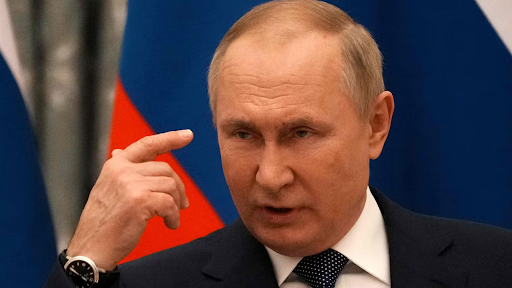
In what amounts to a temporary truce in a new and escalating Cold War, Russian President Vladimir Putin has pledged to voluntarily cap his country’s nuclear arsenal for one year. The move is a significant, if provisional, step back from the brink of an all-out arms race.
Putin framed the decision as a necessary de-escalation in a “turbulent period.” By committing to the former New START treaty’s limits of 1,550 deployed warheads, he is signaling a desire to keep the nuclear dimension of the current conflict from spiraling out of control.
This truce, however, is fragile and requires buy-in from the opposing side. Putin explicitly stated that Russia’s commitment is conditional on the United States also observing the terms of the ceasefire and not seeking to gain a unilateral advantage.
The potential outcome of this truce, Putin suggested, could be a path toward peace talks. He expressed hope that a year of mutual nuclear restraint could create an environment where a “substantive strategic dialogue” can begin, addressing the core issues of the conflict.
For the next twelve months, this temporary truce offers a window of opportunity to avert a worst-case scenario. Its survival will be a key indicator of whether the new Cold War is destined for further escalation or if a path to detente can be found.