
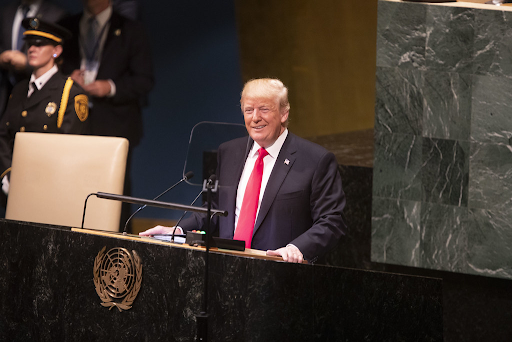
The perception of a friendship betrayed is growing among supporters of Indian Prime Minister Narendra Modi following President Donald Trump’s hostile speech at the UN. The public attack has forced a difficult re-evaluation of an alliance that was once hailed as a major success of Modi’s personal diplomacy.
For years, the optics of the Modi-Trump relationship have been overwhelmingly positive, with images of the two leaders embracing at rallies like “Howdy, Modi” solidifying a narrative of a deep personal bond. This narrative is now in tatters. Trump’s public accusation that India is funding a war feels like a stab in the back to those who invested in the friendship.
The sense of betrayal is compounded by the content of Trump’s criticism. His branding of India as a “primary funder” of the Ukraine conflict is seen as deeply unfair, ignoring India’s own economic compulsions. Similarly, his revival of the disputed ‘Operation Sindoor’ claim is viewed as a selfish attempt to claim credit at India’s expense.
This has created a political problem for Modi. His supporters are left to wonder what the “friendship” is worth if it does not shield India from such public humiliation and punitive economic measures like 50% tariffs. The disconnect between the rhetoric of friendship and the reality of hardball tactics is now impossible to ignore.
While the Modi government has remained publicly stoic, the speech has undoubtedly caused a major reassessment behind the scenes. The episode serves as a painful lesson that in the transactional world of Trump’s foreign policy, personal chemistry offers little protection when national interests collide.