
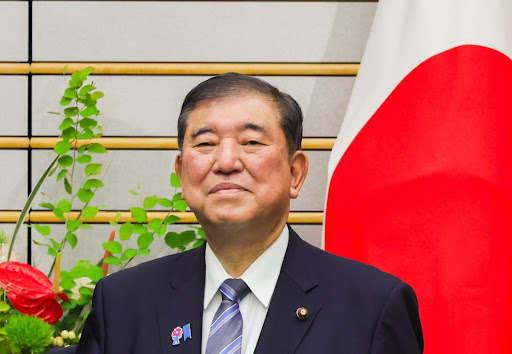
The resignation of the “softly spoken centrist” Shigeru Ishiba illustrates the profound dilemma for moderates within Japan’s increasingly polarized Liberal Democratic Party. His attempt to chart a middle course ultimately satisfied no one and led to a political dead end.
Ishiba won the LDP presidency with a promise of stable, consensus-based leadership, a contrast to the more ideological approach of his predecessors. He hoped this would appeal to a broader swath of the Japanese electorate.
However, his moderate stance left him politically isolated. The party’s powerful conservative wing viewed him as lacking conviction and failed to rally behind him during the crucial election campaigns. At the same time, his policies were not bold enough to win over swing voters or those who had lost faith in the LDP.
Ultimately, he was a leader without a strong political base. His downfall suggests that in the current climate, the LDP may have little room for centrism. The upcoming leadership race will likely see candidates from the party’s more defined ideological wings battle for control.