
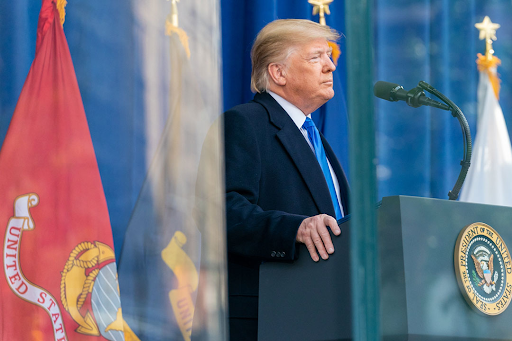
The Ukraine peace framework continued its evolution through intensive diplomatic negotiations as President Trump established specific timing conditions for summit meetings. Trump announced he would meet with Russian and Ukrainian leaders only when peace discussions reach what he characterized as final or near-final agreement stages.
The deployment of senior American officials to both Moscow and Kyiv represents sustained commitment to pursuing a negotiated settlement despite significant challenges. Steve Witkoff’s Moscow mission and Dan Driscoll’s Ukrainian engagement aim to address remaining disagreements in a framework that has undergone multiple substantial revisions.
Trump expressed strong confidence in recent negotiating progress, claiming that extensive consultations have substantially narrowed differences between Russian and Ukrainian positions. The president pointed to refinements made to initial proposals as evidence of productive diplomatic engagement yielding meaningful results.
Despite White House optimism about the negotiating trajectory, considerable international skepticism persists regarding prospects for achieving an agreement both parties can genuinely accept. Expert analysts emphasize that core incompatibilities between Russian territorial ambitions and Ukrainian sovereignty demands continue presenting formidable obstacles to durable settlement.
Ukrainian officials have publicly signaled their desire for direct Trump-Zelensky meetings to address the most sensitive territorial issues. European leaders coordinated their response through a multinational conference call that included Ukrainian President Zelensky and US Secretary of State Marco Rubio to ensure continued transatlantic unity throughout the process.