
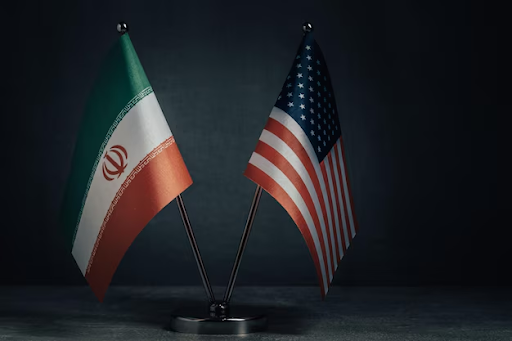
Iran brought more than just nuclear proposals to Tuesday’s indirect talks in Geneva — it also presented a package of economic incentives and a proposed non-aggression pact between Tehran and Washington, moves designed to broaden the appeal of any eventual deal and give the Trump administration political reasons to reach an agreement. The session ended with agreement on guiding principles and a commitment to continue.
Foreign Minister Araghchi described the talks as more constructive than the first round and confirmed that draft texts would be exchanged ahead of a further meeting in approximately two weeks. The expanded diplomatic package Tehran was offering reflected a calculated effort to find angles of appeal with a US administration that has shown interest in transactional dealmaking.
The nuclear substance remained at the heart of the discussions, however. Iran’s core offer — the dilution of its near-weapons-grade uranium stockpile and expanded IAEA oversight — was framed as a meaningful set of concessions that addressed the most acute international concerns about Iranian nuclear intentions. Iran also raised the possibility of a temporary enrichment suspension, though the duration remained contested.
The US continued to push for a complete halt to domestic enrichment, which Iran refuses to accept. The question of how long any suspension might last was further complicated by the damage that US airstrikes had inflicted on Iranian nuclear facilities, leaving both sides uncertain about the practical timeline for any enrichment restart.
Against this diplomatic backdrop, regional tensions continued to simmer. Khamenei issued military threats toward US warships, Iran conducted naval exercises near the Strait of Hormuz, and at home the government was managing the ongoing fallout from the violent suppression of protests. The judiciary confirmed over 10,000 prosecutions, and the country’s reformist political movement was being steadily dismantled through arrests and intimidation.