
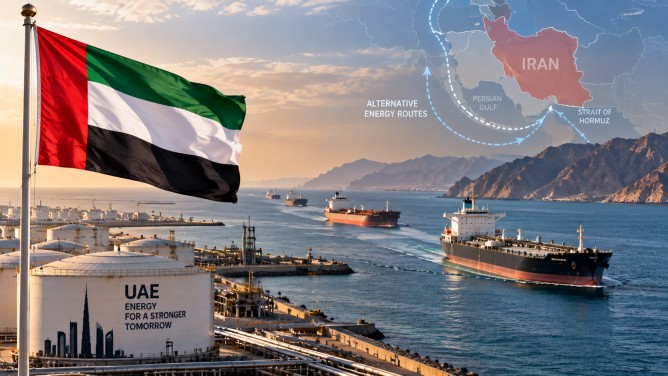
The United Arab Emirates is actively working to diversify its energy export and trade routes, aiming to lessen its reliance on the Strait of Hormuz amid tensions between the United States and Iran. According to Anwar Gargash, a UAE presidential adviser, the nation is determined not to allow its economic activities and energy exports to be “held hostage” by ongoing conflicts. To this end, the UAE is boosting port capabilities on its eastern coast and investing in pipelines, railways, and new trade corridors.
While Gargash expressed that relations with Iran might improve over time, he cautioned that rebuilding trust would be a lengthy process following recent attacks. He also emphasized the importance of enhanced coordination among Gulf Arab states to address regional security concerns effectively. In a similar vein, Qatar highlighted the necessity for increased self-reliance among Gulf nations. Majed al-Ansari, a spokesperson for Qatar’s Foreign Ministry, underscored that while strategic relations with the United States remain significant, the region should not depend solely on them for security.
Concerns over the Strait of Hormuz persist, given its critical role in the global energy supply chain. Disruptions in this key maritime route have previously led to spikes in energy prices and heightened worries about the global economy. Gargash stressed that freedom of navigation should never be exploited as a bargaining tool and urged for reliable assurances to safeguard Gulf nations from potential future assaults.
The UAE’s initiatives reflect a strategic shift towards greater autonomy and resilience in the face of geopolitical challenges. By developing alternative pathways for their energy exports, the UAE and its neighboring Gulf countries aim to secure their economic stability and mitigate the risks posed by regional conflicts.