
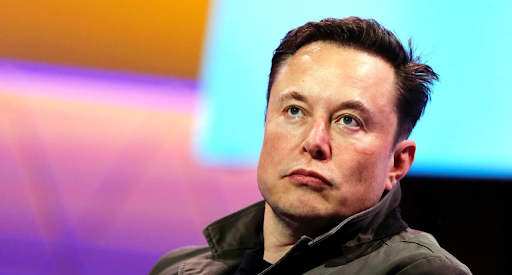
The potential for Elon Musk to amass a personal fortune of over $2 trillion transcends the boardroom and has profound implications for global society. The existence of a private citizen with such vast resources would create a new center of power, capable of influencing nations and driving global agendas.
A fortune of this magnitude would allow Musk to operate on a scale comparable to G20 countries. He could single-handedly fund solutions to global challenges like climate change or disease, or alternatively, pursue pet projects like space colonization with a budget that rivals national space agencies. His philanthropic and investment decisions would shape the future of humanity.
This concentration of power also raises significant ethical and political questions. How does a democratic society hold an individual with such immense influence accountable? What are the checks and balances on a person who can sway markets, acquire critical infrastructure, and control platforms of global communication?
While Tesla’s shareholders are focused on the financial returns, the rest of the world will be watching the emergence of this new phenomenon. The creation of the first “$2 trillion man” would be a pivotal moment, forcing a global conversation about the role of mega-wealth in the 21st century and the structure of power itself.