
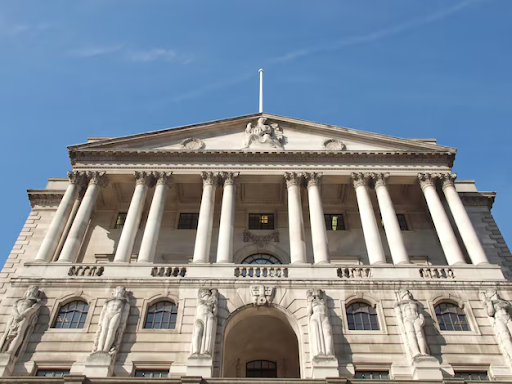
The Bank of England has maintained interest rates at 3.75%, with wealth inequality affecting how interest rate changes impact different segments of the population. Distributional effects complicate the transmission mechanism.
The monetary policy committee’s 5-4 vote sets a single rate that affects wealthy asset owners very differently than those without savings or investments. Rate cuts benefit borrowers through lower debt costs but harm savers through reduced returns. When wealth is concentrated, these effects aren’t symmetric.
Wealthier households tend to have more savings benefiting from high rates and less debt burdened by them. Rate cuts therefore deliver larger benefits to leveraged, typically younger and less wealthy, households. However, wealthy households also own assets like property and shares that appreciate when rates fall, potentially widening wealth gaps.
This distributional complexity means the aggregate economic response to rate changes depends on wealth distribution. If most wealth is concentrated among those with low spending propensity, rate cuts deliver less stimulus than historical relationships suggest. The consumption response to policy depends partly on inequality.
Governor Bailey’s projection that inflation will fall to around 2% by spring reflects aggregate demand responses, but the distribution of impacts varies widely. Some households benefit substantially from six previous rate cuts while others see little change. The GDP forecast of 0.9% and unemployment rising to 5.3% mask diverse experiences. Chancellor Reeves’s budget measures, including utility bill cuts and rail fare freezes from April, provide universal benefits that help balance the distributional effects of monetary policy. Inflation at 2.1% by mid-2026 affects all households but wealthy ones can better absorb price changes.