
Cornwall’s prehistoric monuments embody understanding of time as cyclical rather than linear—an eternal return of patterns where each year’s journey through seasons mirrors previous years and prefigures future cycles. This cyclical temporal framework profoundly influenced how communities understood existence, structured activities, and conceptualized their relationships with cosmic patterns that repeated endlessly.
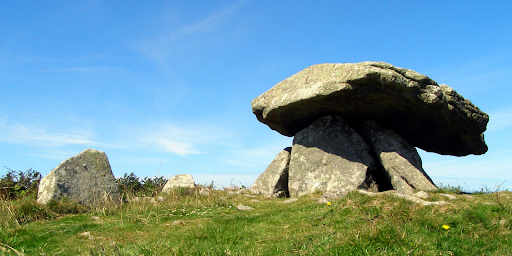
The monuments’ astronomical alignments reinforce cyclical time concepts by marking recurring events. Winter solstice returns annually at the same celestial position. The sun sets over Carn Kenidjack from Chûn Quoit’s position every year at this time, creating perfect repetition that demonstrates cosmic order’s reliability. This annual return validated cyclical temporal frameworks and provided reassurance about pattern continuity.
Seasonal cycles represented primary temporal structures for agricultural communities. Planting, growth, harvest, and winter dormancy repeated annually in predictable sequences. Monument-marked astronomical events provided verification that cycles continued properly and timing for activities remained synchronized with cosmic patterns. This integration of human activity with celestial cycles created harmonious relationships between community life and universal order.
The monuments’ permanence across generations emphasized cyclical continuity spanning beyond individual lifetimes. Grandparents and grandchildren could witness winter solstice sunset from identical positions, creating multi-generational experiences of eternal return. This reinforced understanding that human lives represented single cycles within larger patterns that extended infinitely forward and backward through time.
Death and rebirth themes central to many solstice traditions reflect cyclical temporal understanding. Just as the sun dies at its southern extreme before being reborn to begin its return journey, humans participated in cycles where death represented transition rather than absolute ending. This cosmological framework potentially eased existential anxieties about mortality by positioning individual lives within eternal cycles.
Ritual practices at monuments reenacted and reinforced cyclical patterns. Annual solstice observances repeated ceremonies that previous generations performed, creating continuity through ritual repetition. Each performance simultaneously recalled all previous performances and anticipated future repetitions, collapsing linear time into eternal present where past, present, and future merged through cyclical return.
Contemporary engagement with these monuments maintains cyclical temporal awareness that modern linear time systems often obscure. Annual return to sites like Chûn Quoit for winter solstice observations recreates experiences that connect participants with prehistoric predecessors and future observers who will continue the pattern. The Montol festival’s annual repetition maintains cyclical temporal frameworks through ritual reenactment of traditional ceremonies.
Archaeological research by scholars like Carolyn Kennett reveals how monuments functioned within cyclical temporal systems, while experiential participation in annual observations allows understanding cyclical time through direct engagement. This combination of intellectual analysis and embodied experience demonstrates how Cornwall’s stone circles continue teaching about alternative temporal frameworks where time circles eternally rather than flowing linearly—where each winter solstice represents not unique historical moment but eternal return of patterns that structure existence across all times.