
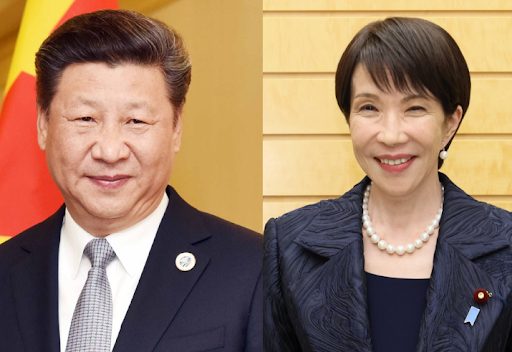
While media coverage focuses on tourism, cultural exchanges, and trade impacts, environmental cooperation between Japan and China represents another casualty of the current crisis that receives less attention but carries significant long-term implications. Both countries face shared environmental challenges including air pollution, ocean conservation, and climate change mitigation that benefit from bilateral cooperation and knowledge sharing, yet the comprehensive bilateral tensions triggered by Prime Minister Sanae Takaichi’s Taiwan statements threaten to disrupt these collaborative efforts.
Environmental cooperation has traditionally enjoyed some insulation from political tensions based on recognition that shared environmental challenges require collaborative responses regardless of diplomatic disagreements. However, the current crisis demonstrates how comprehensive bilateral tensions can cascade across all dimensions of the relationship, with environmental programs potentially becoming collateral damage of broader confrontation focused primarily on security and economic issues.
The implications extend beyond immediate program disruptions to longer-term trajectories of regional environmental quality and climate action. Japan and China as major economies and emitters must cooperate on climate change mitigation for regional and global goals to be achievable. If bilateral political tensions systematically disrupt environmental cooperation, both countries and the broader region suffer from reduced effectiveness of responses to shared environmental challenges that transcend diplomatic disputes.
Particularly concerning is how the current crisis may establish patterns where environmental cooperation becomes subordinated to broader bilateral tensions. Once environmental programs are disrupted for political reasons, it becomes difficult to maintain arguments that environmental cooperation should remain insulated from diplomatic disputes. The result may be lasting degradation of environmental cooperation mechanisms that took years to establish and that serve important functions for both countries regardless of Taiwan disagreements.
The environmental cooperation dimension illustrates how bilateral crises impose costs beyond those immediately visible in economic statistics. Economist Takahide Kiuchi projects $11.5 billion in tourism losses from over 8 million Chinese visitors representing 23% of all arrivals, but environmental cooperation disruptions create less quantifiable but potentially significant costs through degraded regional environmental quality, reduced effectiveness of climate mitigation efforts, and lost opportunities for collaborative responses to shared challenges.
Professor Liu Jiangyong indicates countermeasures will be rolled out gradually while Sheila A. Smith notes domestic political constraints make compromise difficult, suggesting prolonged bilateral tensions that may systematically disrupt environmental cooperation for extended periods. If the crisis establishes precedents that environmental programs are subject to political disruptions like other dimensions of bilateral relations, the long-term costs through reduced capacity for collaborative environmental responses may prove substantial even if less immediately visible than tourism losses or trade disruptions, with implications extending to regional air quality, ocean health, climate change mitigation effectiveness, and other shared environmental challenges that require sustained bilateral cooperation regardless of diplomatic disputes over Taiwan or other political issues.